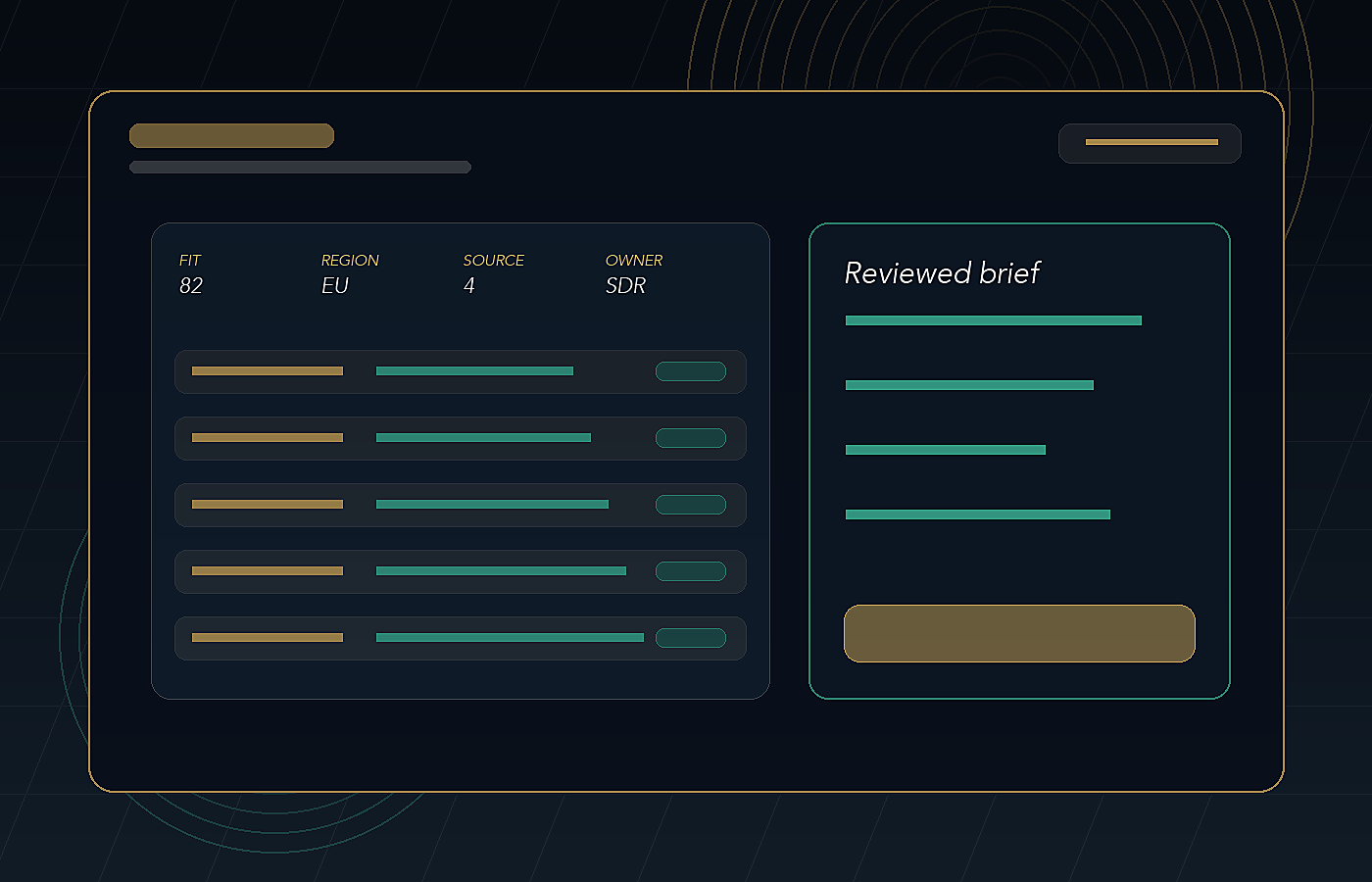
Sales intelligence and compliant outreach workflow.
Growth Agent
Research target accounts, diagnose fit, draft personalized outreach, and hand approved leads to sales.
- Prioritized account list
- Evidence-backed customer briefs
- Reviewed outreach drafts
Enterprise AI Agent Deployment Consulting
goldrenmai helps founders and enterprise teams identify the first high-value agent workflow, connect it to trusted data, and launch it with human review, security boundaries, and acceptance criteria.
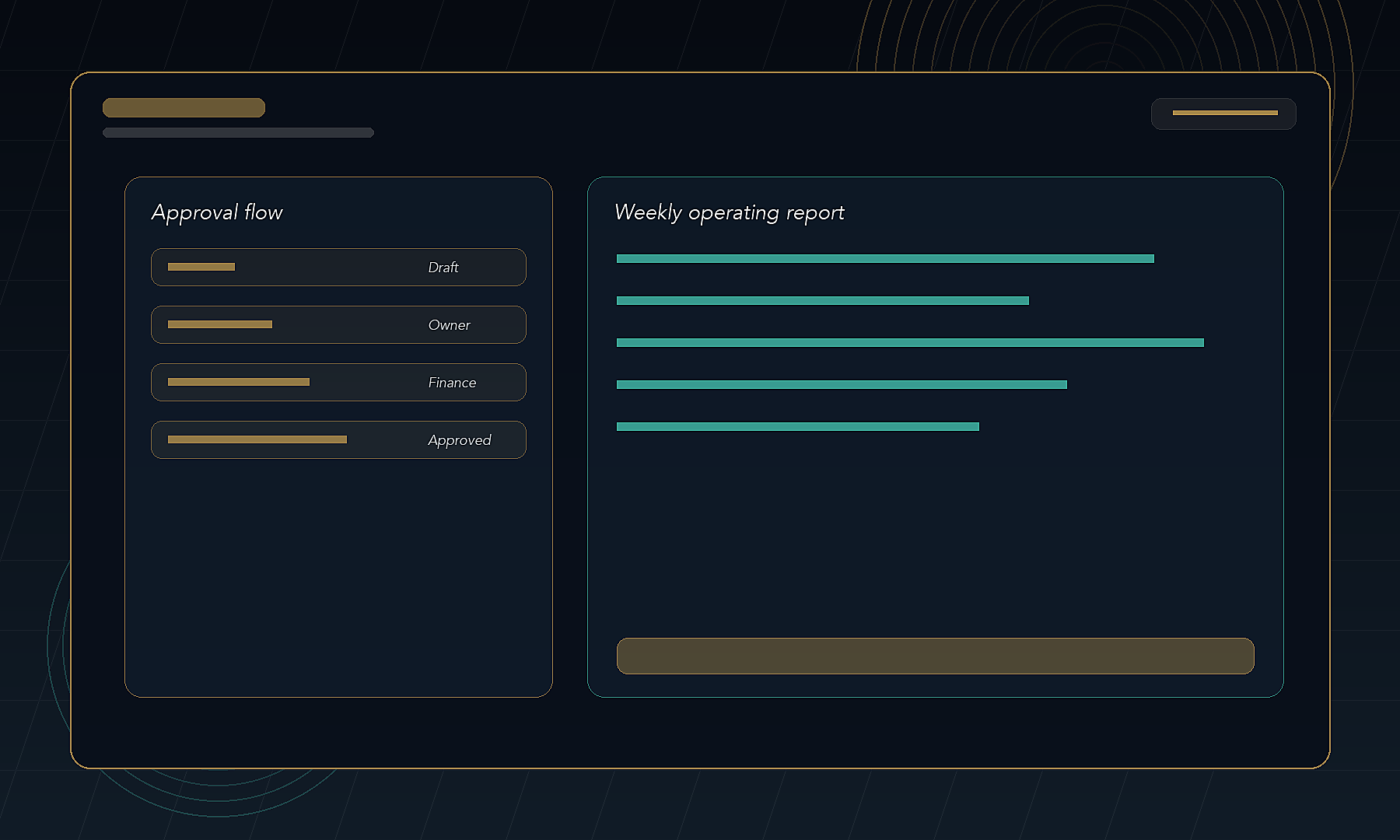
We start from revenue, service quality, knowledge reuse, and management cadence. The deliverable is not a prompt demo; it is an agent workflow your team can approve, measure, and improve.
Before any model is configured, we document ownership, source materials, approval rights, deployment boundaries, and how success will be measured.
We begin with the business owner, the workflow owner, and the reviewer. The first deliverable is a decision memo, not a prompt demo.
Every pilot has a workflow blueprint, material inventory, acceptance table, review log, and handover playbook.
We keep the first workflow narrow until accuracy, safety, handoff quality, and business usefulness are visible.
Legal contracting details can be provided during procurement. This website does not publish fake client logos or invented testimonials.
For enterprise buyers, the first trust asset is not a logo wall. It is a packet of artifacts that lets your team inspect scope, evidence, owners, review gates, and handover quality before scaling.
Workflow blueprint, material inventory, permission matrix, acceptance table, review log, and operating playbook can be shared in redacted form.
Every pilot names the business owner, data owner, human reviewer, final approver, and escalation path before launch.
We document source boundaries, system touchpoints, risk actions, acceptance thresholds, and who can stop or expand the pilot.
Anonymous stories are clearly marked. Real testimonials, delivery photos, and named logos require explicit client permission.
Each solution has a focused first workflow, clear inputs, acceptance gates, and a PDF manual for internal evaluation.
Sales intelligence and compliant outreach workflow.
Research target accounts, diagnose fit, draft personalized outreach, and hand approved leads to sales.
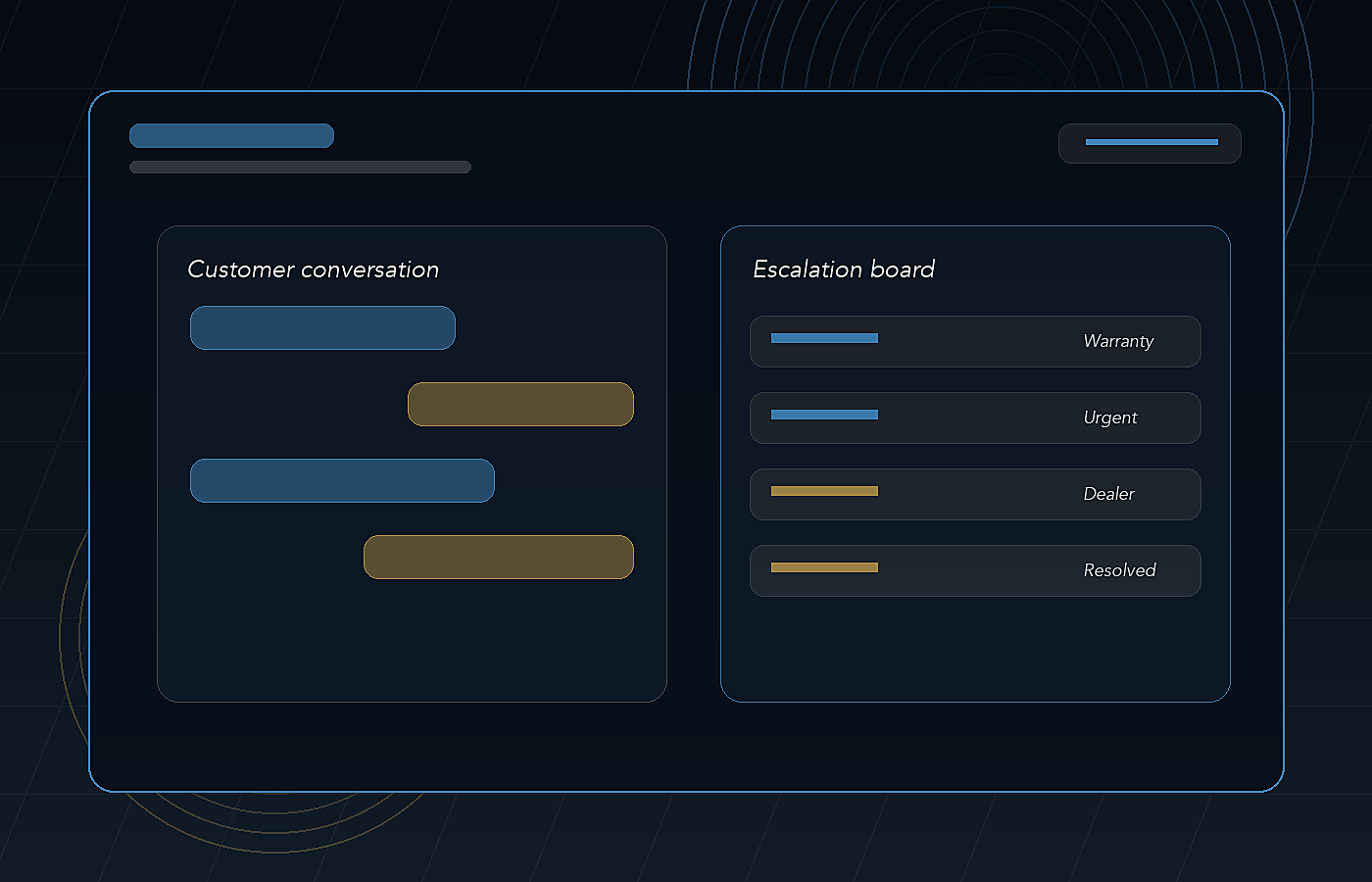
Multilingual customer answer, ticket triage, and escalation.
Turn product manuals, FAQ, warranty rules, and service history into a governed support agent.
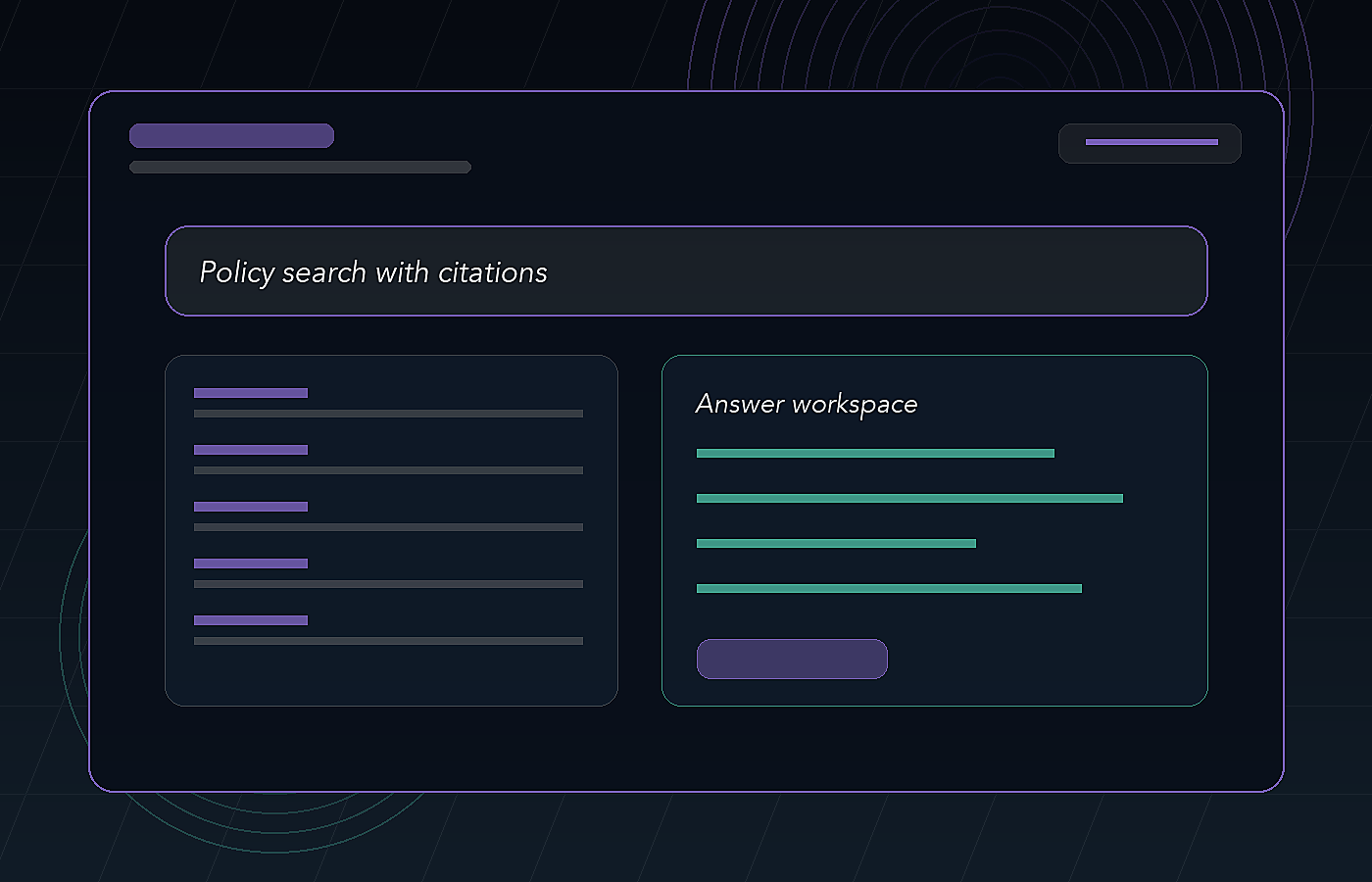
Secure internal document Q&A and SOP assistant.
Make policies, contracts, SOPs, and internal documents searchable with citations and permission boundaries.
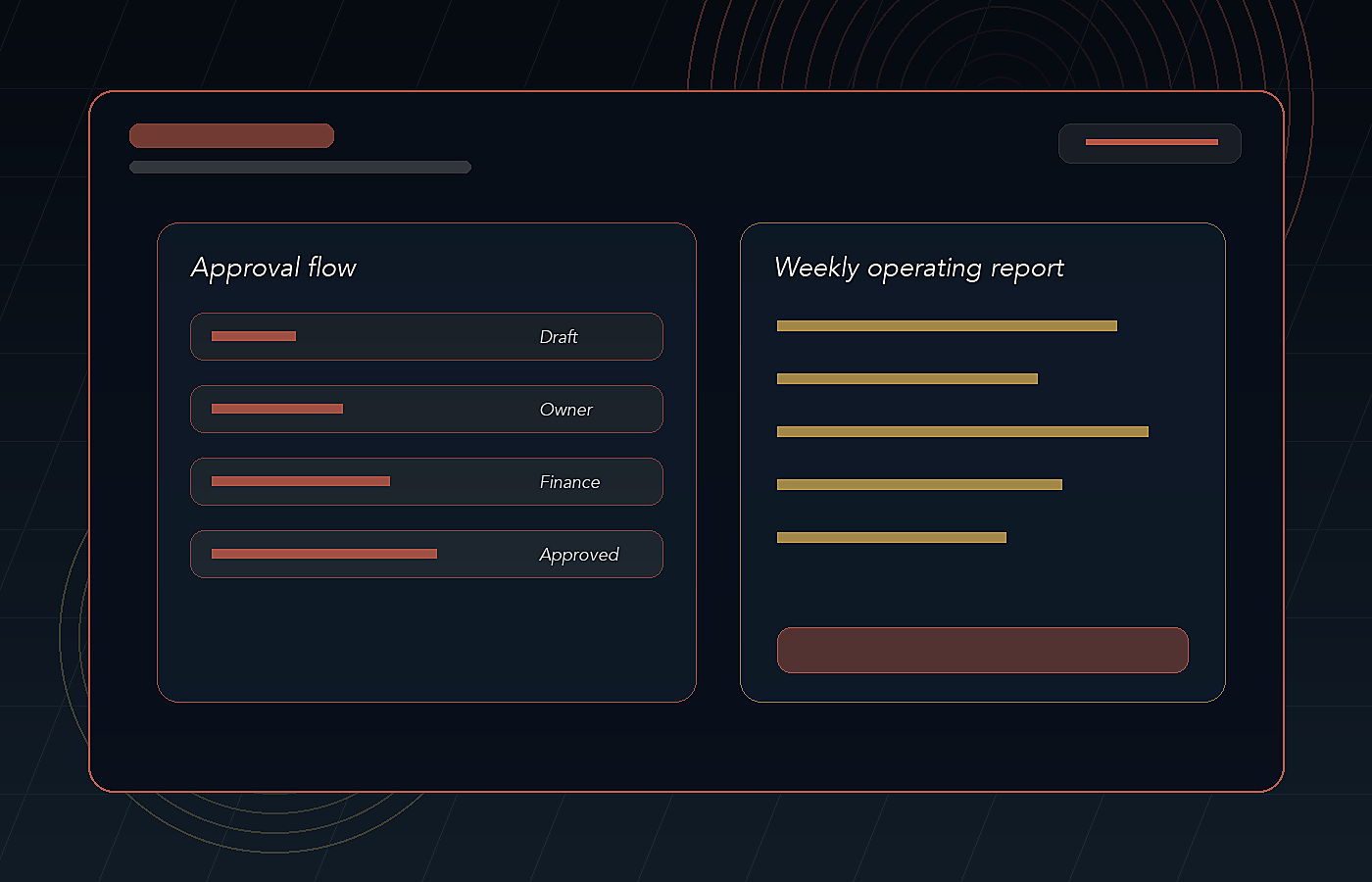
Approvals, meetings, reporting, and cross-team follow-up.
Convert recurring operating routines into visible workflows with summaries, owners, approvals, and risk flags.
Representative and anonymized delivery stories based on common enterprise Agent engagements. They show the level of evidence we use without implying public named client endorsements.
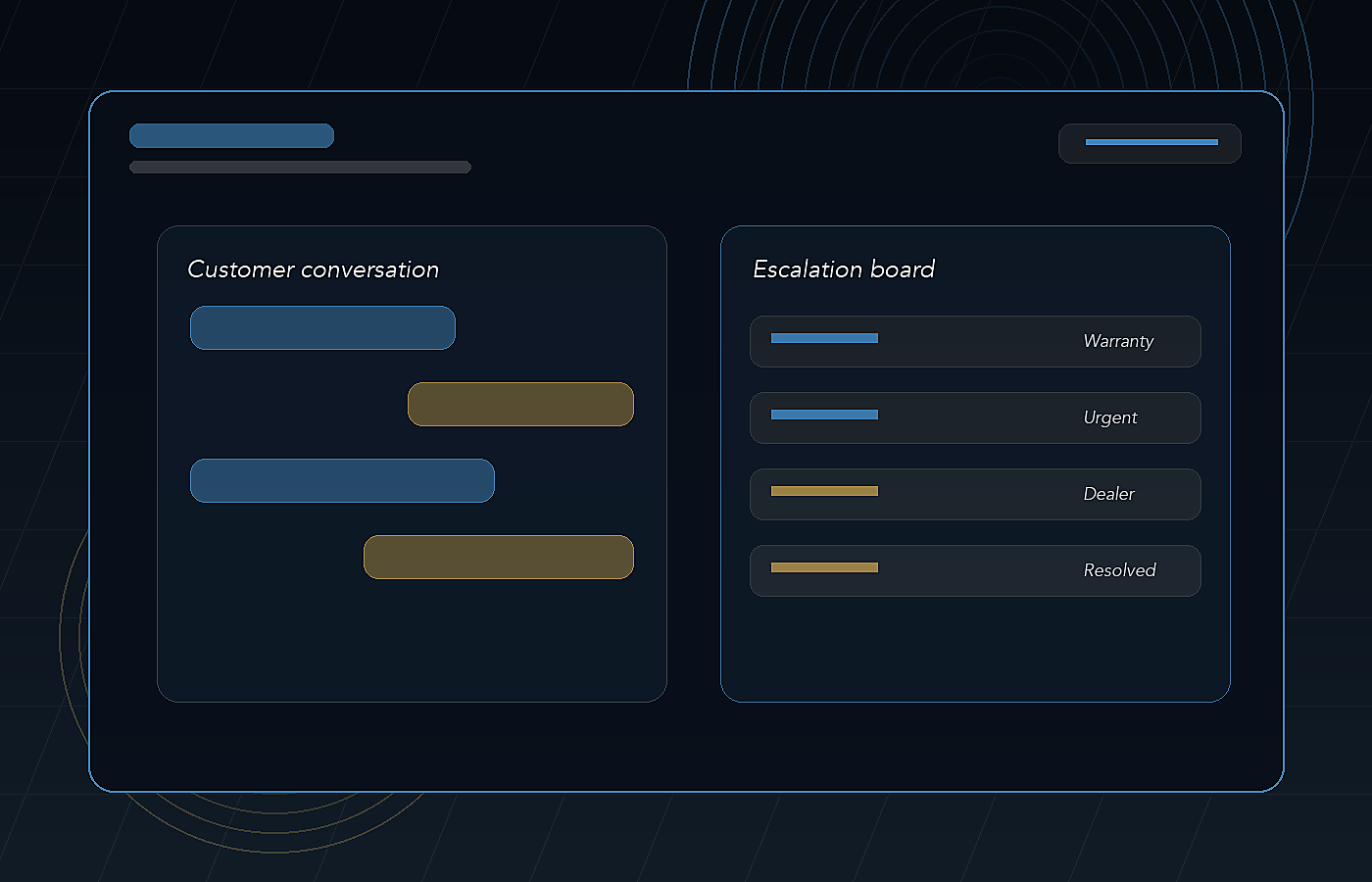
A manufacturer selling through distributors needed consistent answers for model selection, warranty limits, and spare-part requests.
Service managers handled repeated questions manually; the same product rule was explained differently across regions.
42 product manuals, warranty policy, distributor FAQ, escalation owner list.
4-week pilot from question taxonomy to reviewed website concierge.
acceptance metric: 90% of top recurring questions answered with approved citations.
result signal: faster distributor replies and a weekly issue report for product and service leaders.
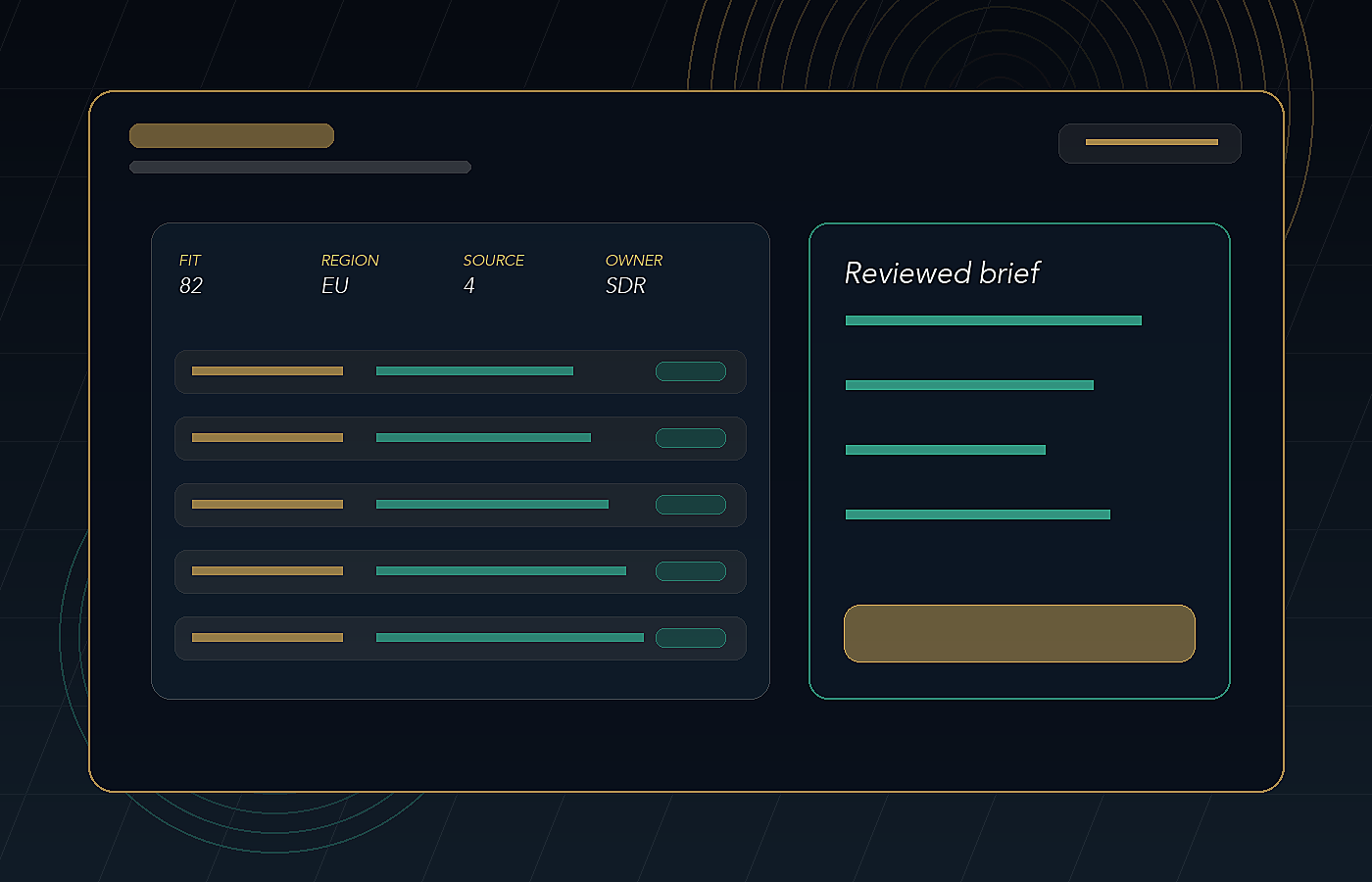
A B2B founder wanted to test overseas demand without hiring a research team first.
Account research was slow, messages looked generic, and sales notes were not structured for follow-up.
ICP, target-region list, proof points, objection notes, CRM export format.
30-day pilot covering 80 target accounts and two approved outreach motions.
acceptance metric: every lead brief includes source evidence, fit reason, and exclusion check.
result signal: sales received reviewed account packs instead of blank prospect lists.
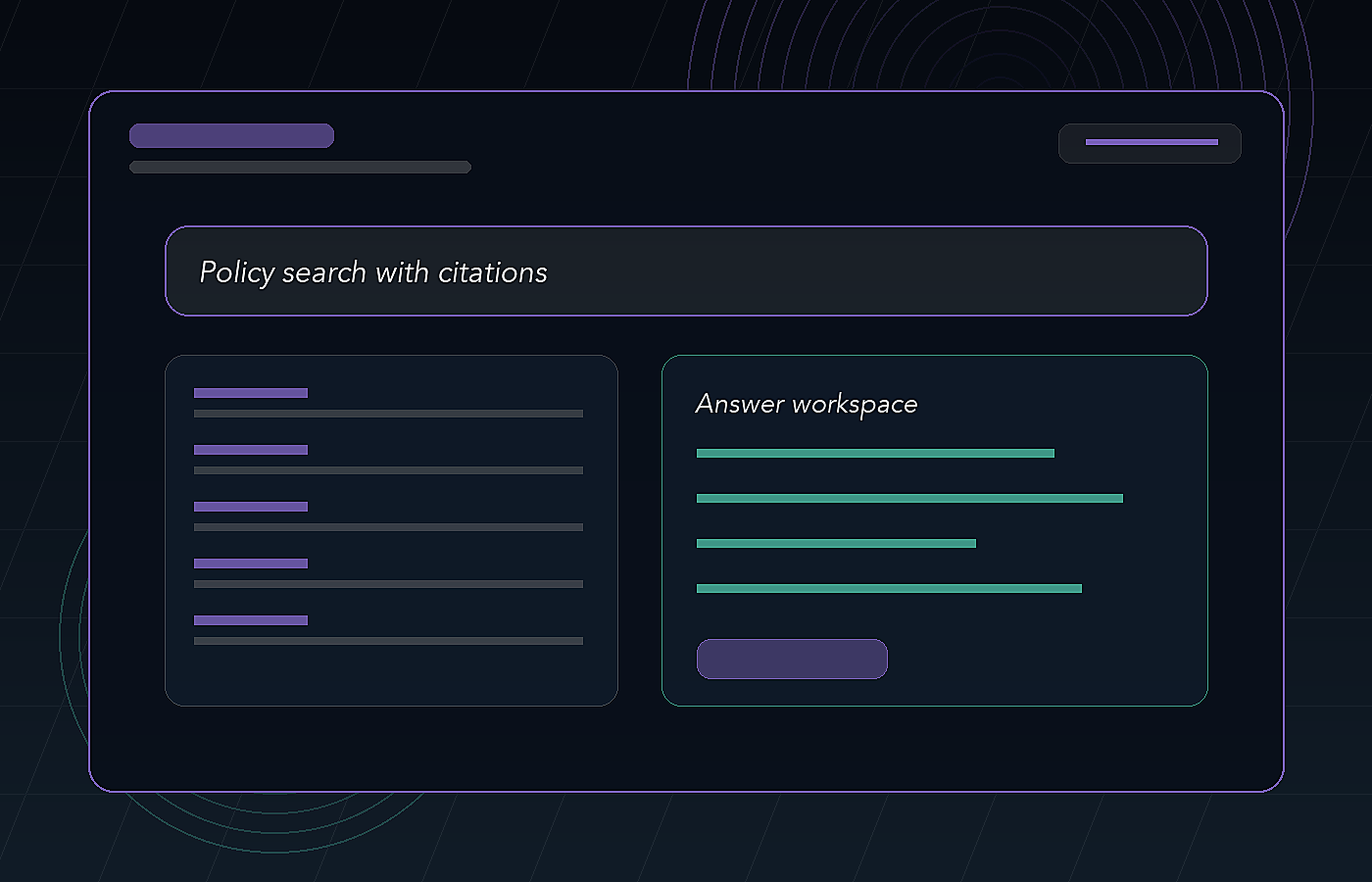
A service organization had policies, templates, and old deliverables scattered across folders.
Consultants spent time asking colleagues for documents that already existed, while sensitive files needed tighter access.
SOP library, template archive, permission map, sample internal questions.
4-week department pilot with role tests and citation review.
acceptance metric: restricted documents stay restricted and answers cite source sections.
result signal: reusable knowledge became searchable without loosening permission boundaries.
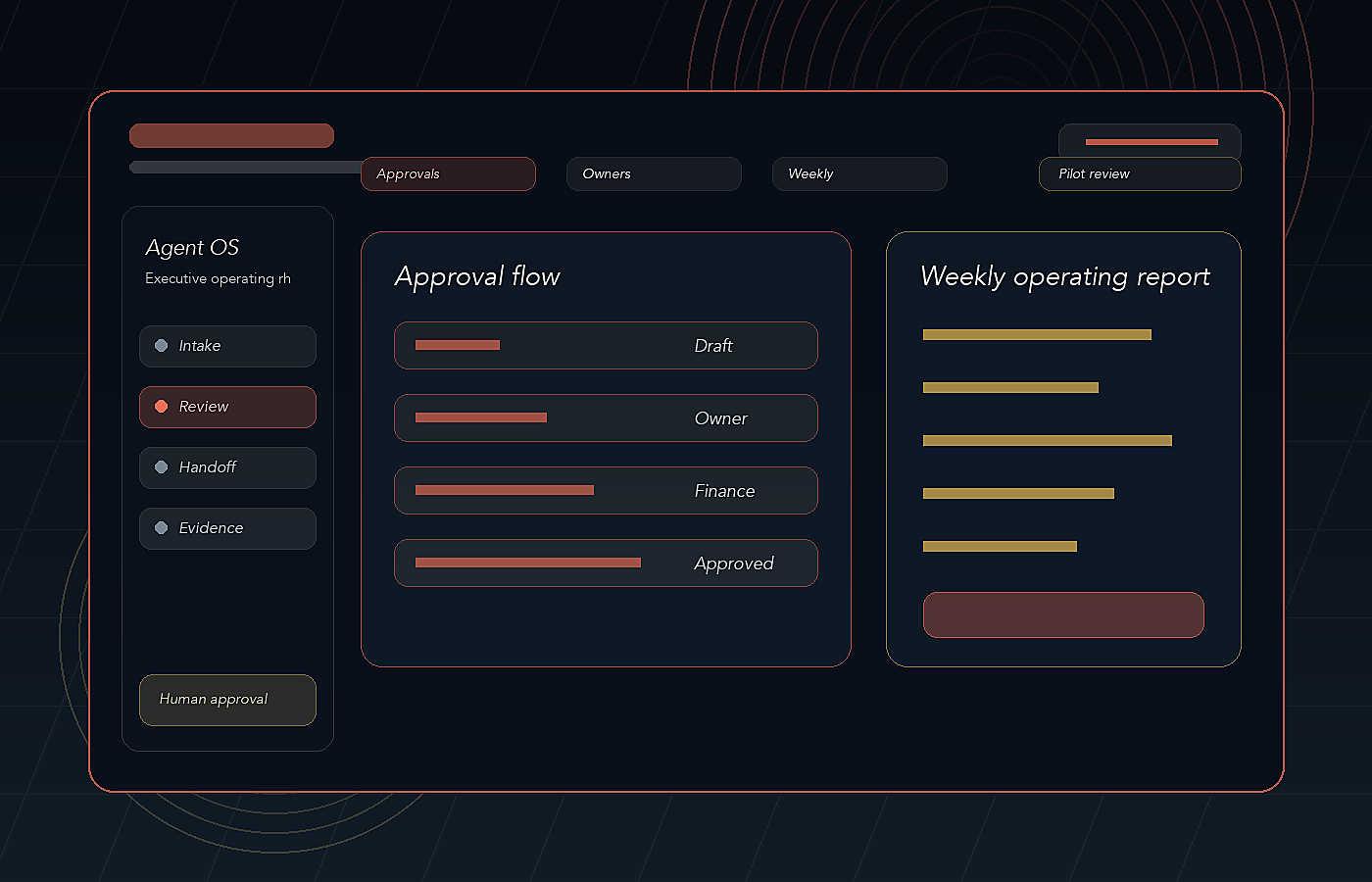
A leadership team needed meeting summaries, approval follow-up, and weekly reports to stop living in chat history.
Owners, deadlines, and risks were easy to lose between meetings.
Meeting notes, approval policy, report template, department owner map.
4-week pilot around one weekly management meeting and one approval flow.
acceptance metric: every extracted task includes owner, due date, source, and approval state.
result signal: the review meeting started from a structured operating report instead of manual reconstruction.
Every engagement is designed around evidence, workflow ownership, system integration, and acceptance review.
Map one workflow, owner, data sources, and risk boundary.
Define agent behavior, approval gates, and acceptance criteria.
Connect documents, tools, and review surfaces for the pilot.
Run real tasks, inspect logs, and tune handoff rules.
Expand only after the first workflow proves value.
Agents are scoped before they act. Source material, user roles, approval gates, logs, and escalation rules are defined as part of the deployment.
Agents answer from a documented whitelist of files, pages, tables, and policies. Anything outside the scope is treated as unknown until approved.
We map who can ask, view, approve, export, or escalate. Restricted material is tested with role-based review cases before launch.
Email sends, CRM updates, approvals, customer promises, and finance-related actions stay in draft or approval mode until rules are signed off.
Pilot activity keeps prompts, sources, decisions, confidence flags, and reviewer outcomes so owners can improve the workflow with evidence.
Low-confidence, sensitive, or policy-conflicting questions route to named humans with a concise context summary.
The pilot can run in a controlled cloud workspace, a private knowledge boundary, or a hybrid integration path depending on data requirements.
Every engagement is designed around evidence, workflow ownership, system integration, and acceptance review.
Fastest path for one workflow when data can be staged in a controlled workspace.
Documents, roles, and answer rules are isolated for teams with stricter data requirements.
Connect only approved tools first, then expand after the first acceptance review.
Each solution has a focused first workflow, clear inputs, acceptance gates, and a PDF manual for internal evaluation.
Each solution has a focused first workflow, clear inputs, acceptance gates, and a PDF manual for internal evaluation.
A clear map of actors, systems, data sources, approval gates, and failure paths.
Prompts, policies, escalation rules, and review routines your team can operate.
Measurable criteria for accuracy, safety, handoff quality, and business usefulness.
Training, review sessions, and the next expansion recommendation after pilot evidence.
Share your website, process description, or a small document set. We will reply with a recommended pilot scope, required materials, and a practical deployment path.
One workflow with clear owner, sample data, and a visible business pain.
No. We can begin with exported documents, spreadsheets, or a staged sandbox.
External actions require approved rules, role boundaries, and human review gates.
Submit a business workflow
Describe one process. The form prepares an email with the operational context we need for a useful first reply.
Share your website, process description, or a small document set. We will reply with a recommended pilot scope, required materials, and a practical deployment path.